πŸ“œ Flag History Europe RevolutionNapoleonBourbon era
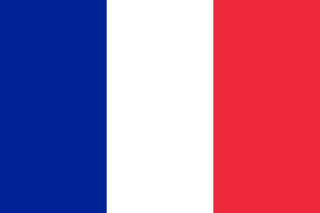
France flag today

Born in Revolution

How the French tricolour was sewn from the colours of a revolution

The French tricolour β€” blue, white and red β€” is one of the most influential flags in history. Born in the chaos of the 1789 Revolution, its design inspired dozens of flags around the world. But its path to becoming the permanent French flag was not straightforward: the Bourbon monarchy briefly brought back the royal white, and the tricolour only became truly permanent after the July Revolution of 1830.

πŸ“‹ 3 major flag changes
Timeline
Before 1789
Royal France white flag
The Royal White β€” Flag of the Bourbons
For over 150 years before the Revolution, the official flag of the Kingdom of France was a plain white flag β€” the colour of the House of Bourbon. This was supplemented by the royal standard of gold fleur-de-lis on blue. White had been the royal colour since at least 1638, when Cardinal Richelieu established it as the ensign of the French Navy. The white flag was the symbol of everything the revolutionaries were fighting against: absolute monarchy, the ancien rΓ©gime, and the divine right of kings.
17 July 1789
French tricolour cockade 1789
The Cockade of the Revolution
On 17 July 1789 β€” three days after the storming of the Bastille β€” King Louis XVI visited Paris and accepted a cockade (a rosette worn on hats) combining the red and blue of Paris with the royal white. The three colours together were intended as a gesture of reconciliation between the King and the revolutionary movement. The marquis de Lafayette, hero of the American Revolution, is often credited with suggesting the combination. The cockade became the symbol of the Revolution and within months was incorporated into flag designs.
15 February 1794 – present
French tricolour flag adopted 1794
The Tricolour Established
The National Convention formally established the tricolour as the French national flag on 15 February 1794, specifying the current order: blue at the hoist, white in the centre, red at the fly. (Earlier versions had sometimes had the colours in different orders.) Under Napoleon, the tricolour flew over a French Empire stretching from Spain to Poland. After Napoleon's defeat in 1815, the restored Bourbon monarchy brought back the white flag β€” which it used until the July Revolution of 1830, when Louis-Philippe, the "Citizen King," restored the tricolour. Since 1830, the tricolour has been the uninterrupted French national flag. Its influence has been enormous: the Italian, Irish, Romanian, Belgian and many other flags adopted tricolour designs directly inspired by France.
πŸ’‘
Did you know?
The French tricolour has inspired more national flag designs than any other single flag in history. The tricolour format β€” three vertical or horizontal stripes of different colours β€” is used by well over 50 countries, most of them directly influenced by the French revolutionary example.