Flag of United Kingdom
Europe

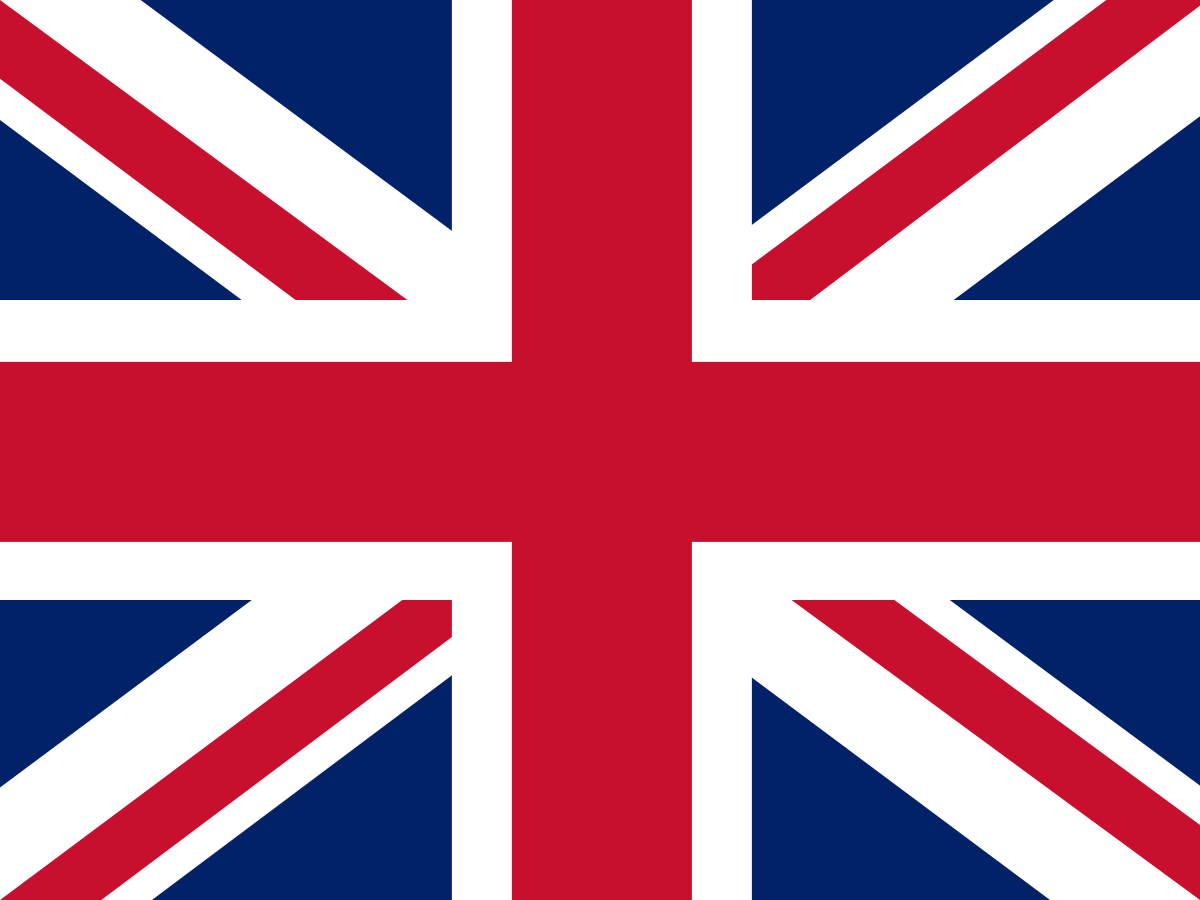
United Kingdom Flag

The Union Jack combines the crosses of St George (England), St Andrew (Scotland), and St Patrick (Ireland).

🎨 Free printable colouring page
Capital London
Continent Europe
Population 67.0 million

Development indicators

GDP per capita
$46,300
USD per year (approx. 2023)
Human Development Index
0.929
Very High development
World Bank income classification
High Income (HIC)
HIC
🌑️ Climate: Temperate oceanic

Flag symbolism

The Union Jack combines the crosses of St George (England), St Andrew (Scotland), and St Patrick (Ireland).

islandmonarchy

Did you know?

The UK drives on the left side of the road, a tradition dating back to the days of sword-carrying travellers.

Test your knowledge

Think you know your world flags? Try the FlagAtlas daily challenge, speed quiz, or explore all Europe flags.

πŸ“š Revising for GCSE Geography? Visit our free revision page β†’

About the United Kingdom

The United Kingdom is a sovereign country made up of four nations: England, Scotland, Wales and Northern Ireland. It occupies most of the British Isles and has a long history that has had a major influence on politics, language, culture, science and trade around the world.

London is the capital and largest city. The UK is a constitutional monarchy and a parliamentary democracy, with a diverse economy based on services, finance, manufacturing, technology, creative industries, tourism and other sectors.

United Kingdom at a glance

Capital: London   Β·   Region: Europe   Β·   Currency: Pound sterling (GBP)   Β·   Official language: No single UK-wide official language; English is predominant   Β·   Union formed: 1707

The Union Jack

The UK flag is commonly called the Union Jack or Union Flag. It combines the crosses associated with three of the UK's constituent nations: St George's Cross for England, St Andrew's Cross for Scotland and St Patrick's Cross for Ireland.

Wales is not represented separately on the Union Flag because Wales was already legally incorporated into the Kingdom of England when the first Union Flag was created.

Flag symbolism

The flag is primarily a symbol of the political union of the kingdoms and nations that make up the United Kingdom. Its red, white and blue colours come from the individual crosses rather than from a single modern colour code.

How the Union Flag developed

1603 β€” Union of the CrownsJames VI of Scotland became James I of England, uniting the two crowns under one monarch while the kingdoms remained separate.
1606 β€” First Union FlagA new flag combined the red St George's Cross of England with the white St Andrew's Cross of Scotland.
1707 β€” Kingdom of Great BritainThe Acts of Union united England and Scotland into the Kingdom of Great Britain.
1801 β€” United Kingdom of Great Britain and IrelandIreland joined the union and the flag was redesigned to incorporate the red diagonal cross associated with St Patrick.
1922 β€” Irish independenceMost of Ireland left the United Kingdom. Northern Ireland remained part of the UK, while the Union Flag retained its existing design.
TodayThe Union Flag remains the national flag of the United Kingdom and is flown on government buildings and at important national occasions.

A short history of the United Kingdom

The history of the UK is the story of several nations and kingdoms whose political relationships changed over many centuries. England and Scotland developed as separate kingdoms, while Wales was gradually incorporated into the Kingdom of England. Ireland had a long and complicated political relationship with England and later Great Britain.

The union created in 1707 became a major global power during the eighteenth and nineteenth centuries. The British Empire expanded across much of the world, while the Industrial Revolution transformed Britain economically and socially. During the twentieth century the empire largely dissolved and the UK evolved into a modern parliamentary democracy.

History timeline

43 AD β€” Roman conquest beginsRoman forces invaded Britain and established control over much of present-day England and Wales.
5th–7th centuries β€” Anglo-Saxon kingdomsFollowing the end of Roman rule, a number of Anglo-Saxon kingdoms developed in England.
1066 β€” Norman ConquestWilliam the Conqueror defeated Harold II at the Battle of Hastings and became King of England.
1215 β€” Magna CartaKing John agreed to the Magna Carta, a document that became highly influential in the development of constitutional government.
1284 β€” Wales incorporated into the English legal systemThe Statute of Rhuddlan brought Wales more firmly under English royal administration.
1536–1543 β€” Laws in WalesFurther legislation integrated Wales into the Kingdom of England.
1603 β€” Union of the CrownsJames VI of Scotland became James I of England, creating a personal union of the crowns.
1642–1651 β€” English Civil WarsConflict between Parliament and the monarchy resulted in the temporary abolition of the English monarchy.
1688–1689 β€” Glorious RevolutionJames II was replaced by William III and Mary II, strengthening the constitutional role of Parliament.
1707 β€” Acts of UnionEngland and Scotland became the Kingdom of Great Britain.
1801 β€” United Kingdom formedGreat Britain and Ireland became the United Kingdom of Great Britain and Ireland.
18th–19th centuries β€” Industrial RevolutionBritain became a world leader in industrialisation, engineering, manufacturing, science and global trade.
19th century β€” Expansion of the British EmpireThe British Empire became one of the largest empires in history.
1914–1918 β€” First World WarThe UK and its empire fought Germany and its allies in the First World War.
1939–1945 β€” Second World WarThe UK played a major role in the Allied war effort against Nazi Germany and its allies.
1945 onwards β€” Post-war changeThe welfare state expanded while Britain began the long process of decolonisation.
1973 β€” European Economic CommunityThe UK joined the European Economic Community, the forerunner of the European Union.
1998–1999 β€” DevolutionNew devolved institutions were established in Scotland, Wales and Northern Ireland.
2016 β€” EU referendumThe UK voted to leave the European Union.
2020 β€” BrexitThe UK formally left the European Union.
Today β€” United KingdomThe UK remains a constitutional monarchy, parliamentary democracy and major global economy.
England

England is the largest of the four UK nations by population. It contains London and many of the UK's largest cities, including Birmingham, Manchester, Liverpool, Leeds and Bristol. Its flag is the red St George's Cross.

Scotland

Scotland occupies the northern part of Great Britain and includes the Highlands, Lowlands and many islands. Edinburgh is its capital, while Glasgow is its largest city. The Scottish flag is the white St Andrew's Cross on blue.

Wales

Wales lies to the west of England and has a distinctive Celtic cultural heritage. Cardiff is the capital. The Welsh flag features a red dragon on a green and white field and is one of the most distinctive flags in Europe.

Northern Ireland

Northern Ireland occupies the north-eastern part of the island of Ireland. Belfast is its capital and largest city. Northern Ireland has its own distinctive cultural traditions and remains part of the United Kingdom.

London

London is the capital of the United Kingdom and one of the world's major financial, cultural and political centres. Famous landmarks include the Houses of Parliament, Buckingham Palace, Tower Bridge and the Tower of London.

Geography

The UK has a remarkably varied landscape, including mountains, moorland, rolling countryside, forests, rivers, lakes and long coastlines. Ben Nevis in Scotland is the UK's highest mountain at 1,345 metres.

Climate

The UK's temperate maritime climate is strongly influenced by the Atlantic Ocean. Weather is often changeable, with generally mild winters, cool summers and rainfall throughout the year.

Culture and traditions

British culture has influenced literature, music, sport, theatre, film, television, fashion and science around the world. Traditions include afternoon tea, the royal ceremony, village fΓͺtes, football, rugby, cricket and the annual celebration of Bonfire Night.

Language

English is the predominant language across the UK. Welsh has official status in Wales, Gaelic and Scots Gaelic have important roles in Scotland, and Irish and Ulster Scots are recognised in Northern Ireland.

Government and monarchy

The UK is a constitutional monarchy. The monarch is the head of state, while the elected Parliament and government exercise political power. Parliament consists of the House of Commons and House of Lords and is based at Westminster in London.

The British Empire

At its height, the British Empire governed territories across every inhabited continent. Its legacy remains complex, encompassing trade, migration, institutions and cultural exchange alongside colonial exploitation, conflict and profound political consequences for many societies.

The Industrial Revolution

Britain was one of the birthplaces of the Industrial Revolution. Innovations in steam power, textiles, iron production, engineering and transport transformed Britain during the eighteenth and nineteenth centuries and helped shape the modern industrial world.

Sport

The UK has played an enormous role in the development of modern sport. Football, rugby, cricket, tennis and golf all have deep British roots, while events such as Wimbledon and the FA Cup have become internationally famous.

Why is the Union Jack interesting?

The Union Jack is unusual because it is effectively a layered design representing several national traditions. It is also one of the world's most recognisable flags and has influenced the designs of a number of other national and regional flags.

Explore the United Kingdom on FlagAtlas

Continue exploring the UK and the world's flags with these FlagAtlas resources.

Sources & further reading

This page combines the original FlagAtlas United Kingdom page with additional historical, geographical and cultural context. Statistics such as population, GDP and development indicators are dated because they can change over time.

β˜• Buy me a coffee