Flags disappear when countries are dissolved, split up, absorbed or replaced by new states. The 20th century alone retired dozens — from the Soviet Union and Yugoslavia to Czechoslovakia and East Germany — but the flags live on in history, and sometimes in the designs of the countries that replaced them.
The Soviet Union
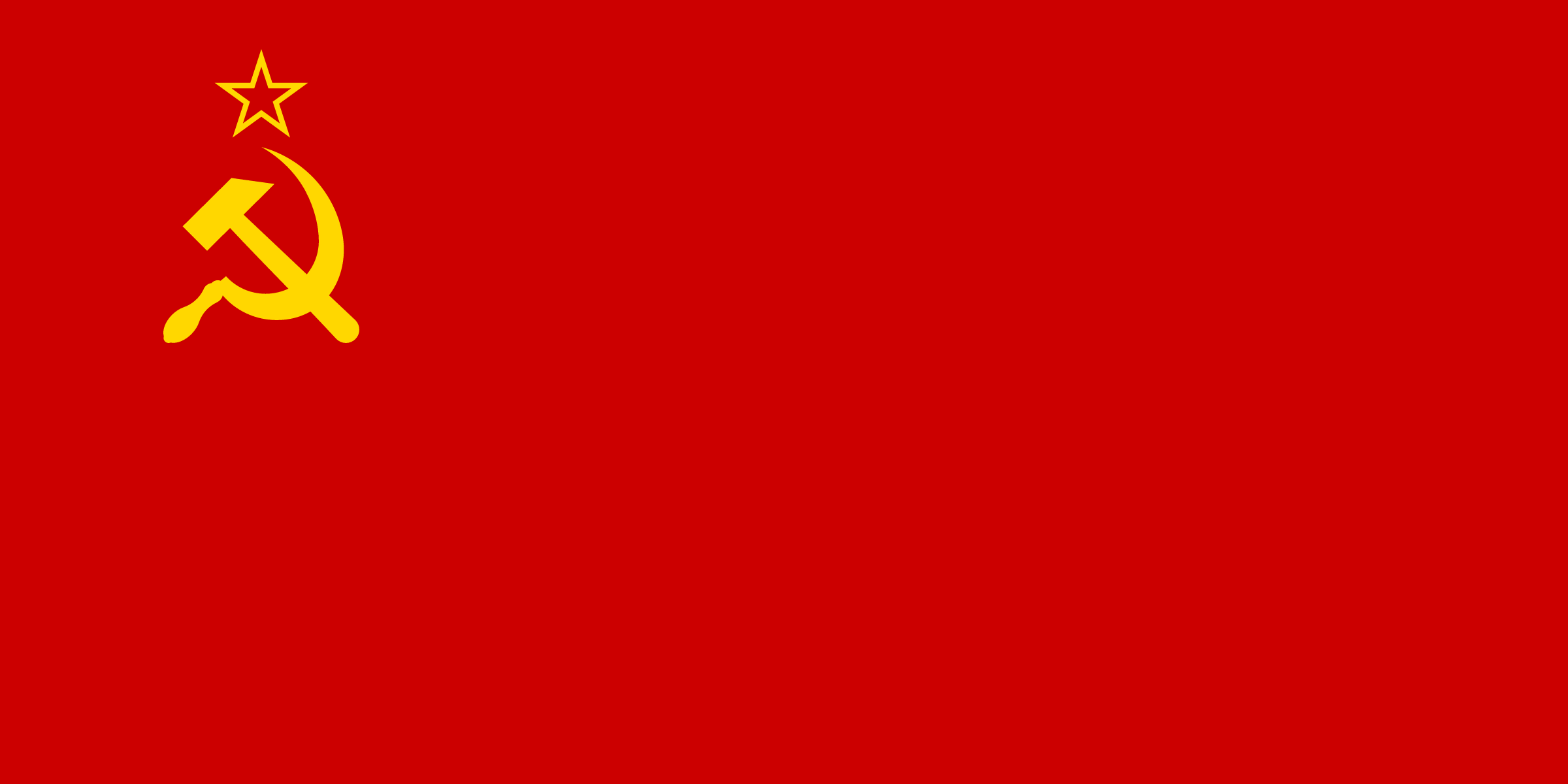
The plain red flag with a gold hammer and sickle and a red star was one of the most recognisable symbols of the entire 20th century. The hammer stood for the industrial workers, the sickle for the peasantry, and the star for the Communist Party leading them. It flew over the world's largest country for nearly 70 years — until, in December 1991, the Soviet Union was dissolved and broke apart into 15 independent nations, from Russia and Ukraine to Kazakhstan and the Baltic states. Russia returned to the pre-Soviet white-blue-red tricolour, a story we touch on in why countries change their flags.
Yugoslavia
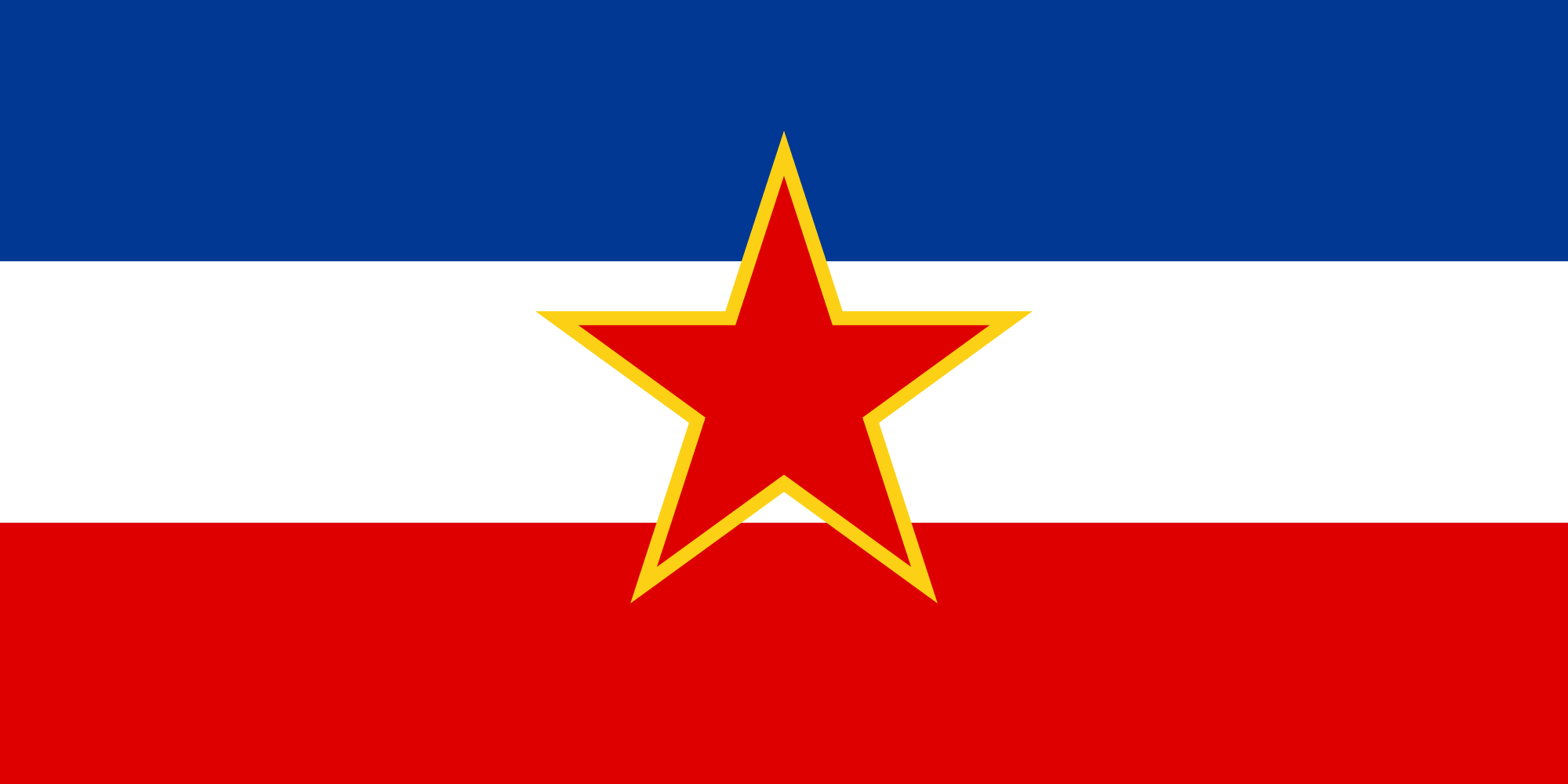
Socialist Yugoslavia flew a blue-white-red tricolour — the pan-Slavic colours — with a gold-edged red star of communism at its centre. It united six republics in the Balkans until it fractured, often violently, through the 1990s. In its place emerged Slovenia, Croatia, Bosnia and Herzegovina, North Macedonia, Serbia and Montenegro, with Kosovo later declaring independence from Serbia. Several of these are among the world's newer countries, each with a brand-new flag of its own.
Czechoslovakia
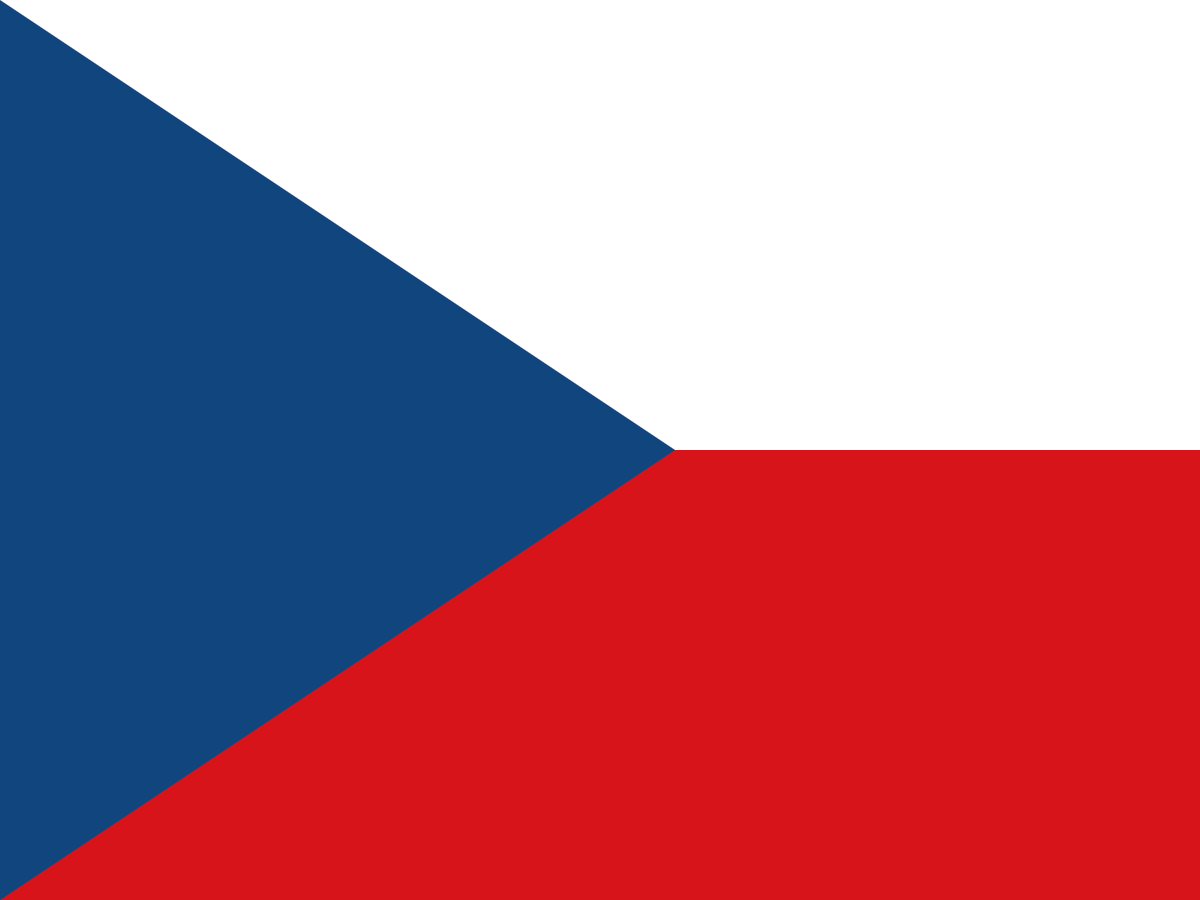
Czechoslovakia's flag paired a white-over-red field with a blue triangle at the hoist. At the end of 1992 the country underwent the "Velvet Divorce," splitting peacefully into two on 1 January 1993. Here's the twist: while Slovakia adopted a new flag, the Czech Republic simply kept the old Czechoslovak design — so if you see that flag today, it now belongs to Czechia. It's one of the rare cases where a vanished country's flag never actually stopped flying.
East Germany
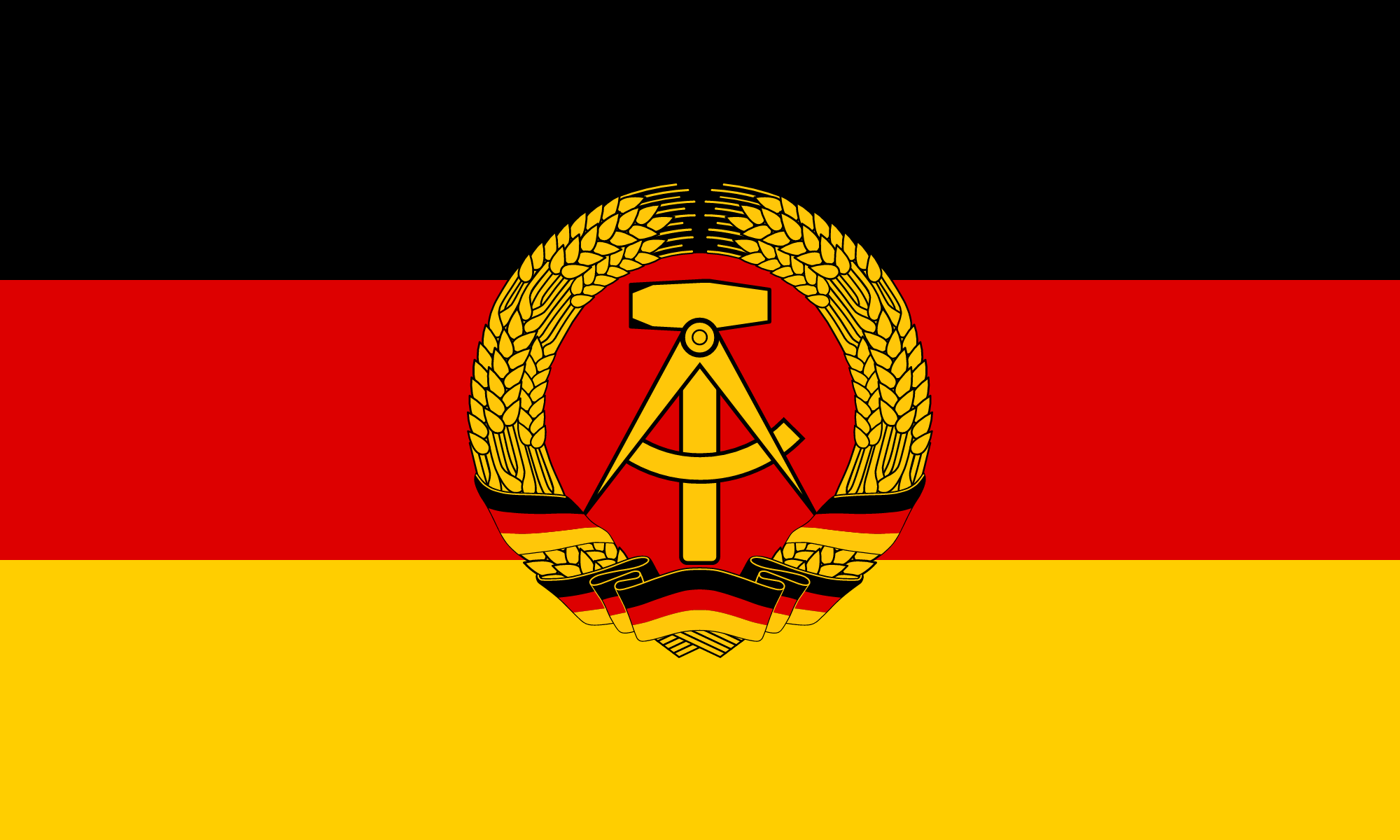
For over 40 years, Germany had two flags. East Germany — the German Democratic Republic — used the same black-red-gold tricolour as West Germany, but with a distinctive state emblem in the centre: a hammer and a pair of compasses within a ring of rye, symbolising workers, intelligentsia and farmers. When the two Germanys reunified in 1990, the plain black-red-gold flag became the flag of the whole country and the East German emblem was retired for good.
The Ottoman Empire
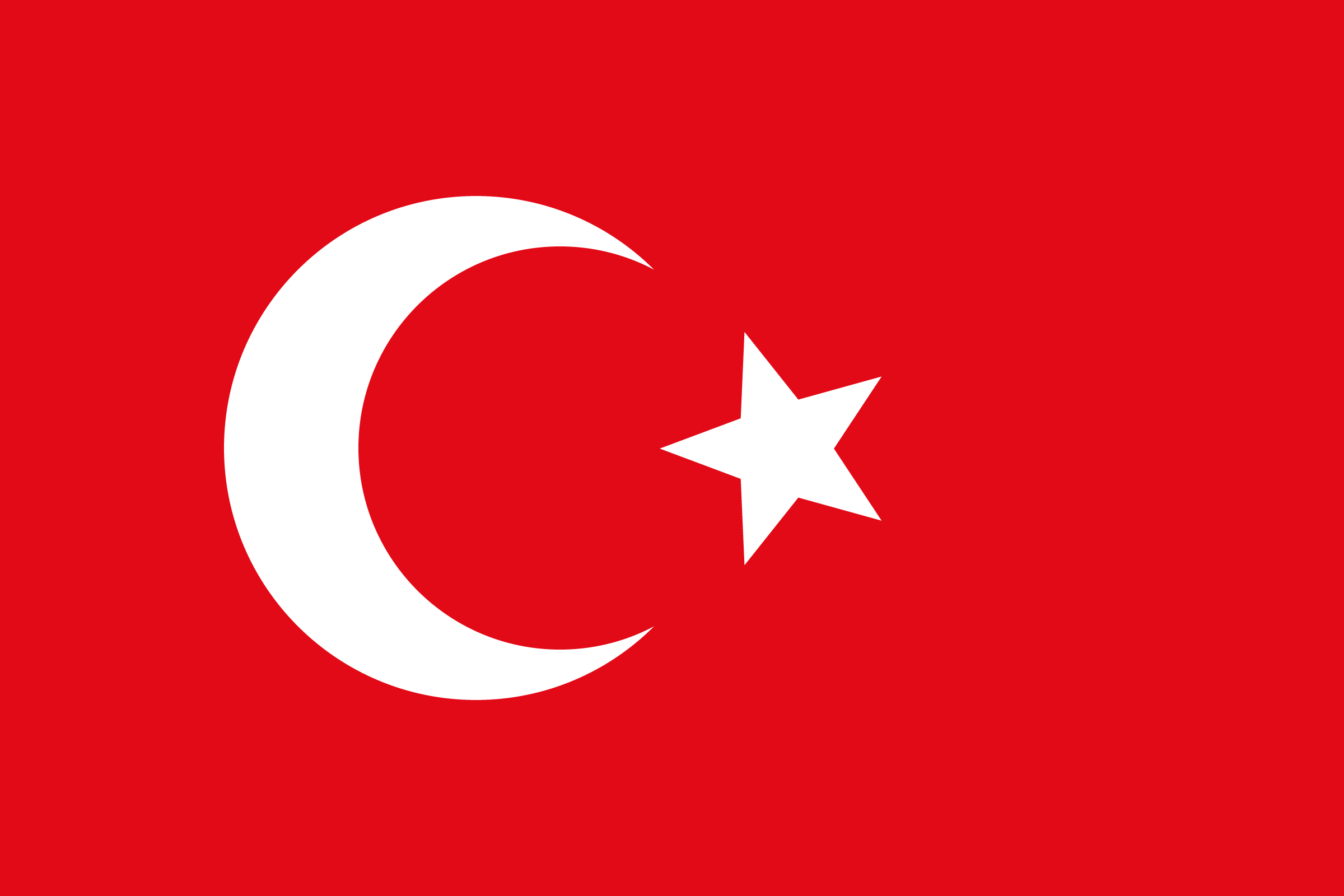
Not every vanished flag belongs to the 20th-century Cold War world. The Ottoman Empire, which lasted more than 600 years, flew a red flag with a white crescent and star — a banner that spread the star-and-crescent across much of the Middle East and North Africa. When the empire collapsed after the First World War, its flag didn't so much disappear as transform: the modern Republic of Turkey carried the design over almost unchanged, which is why the two look nearly identical.
South Vietnam
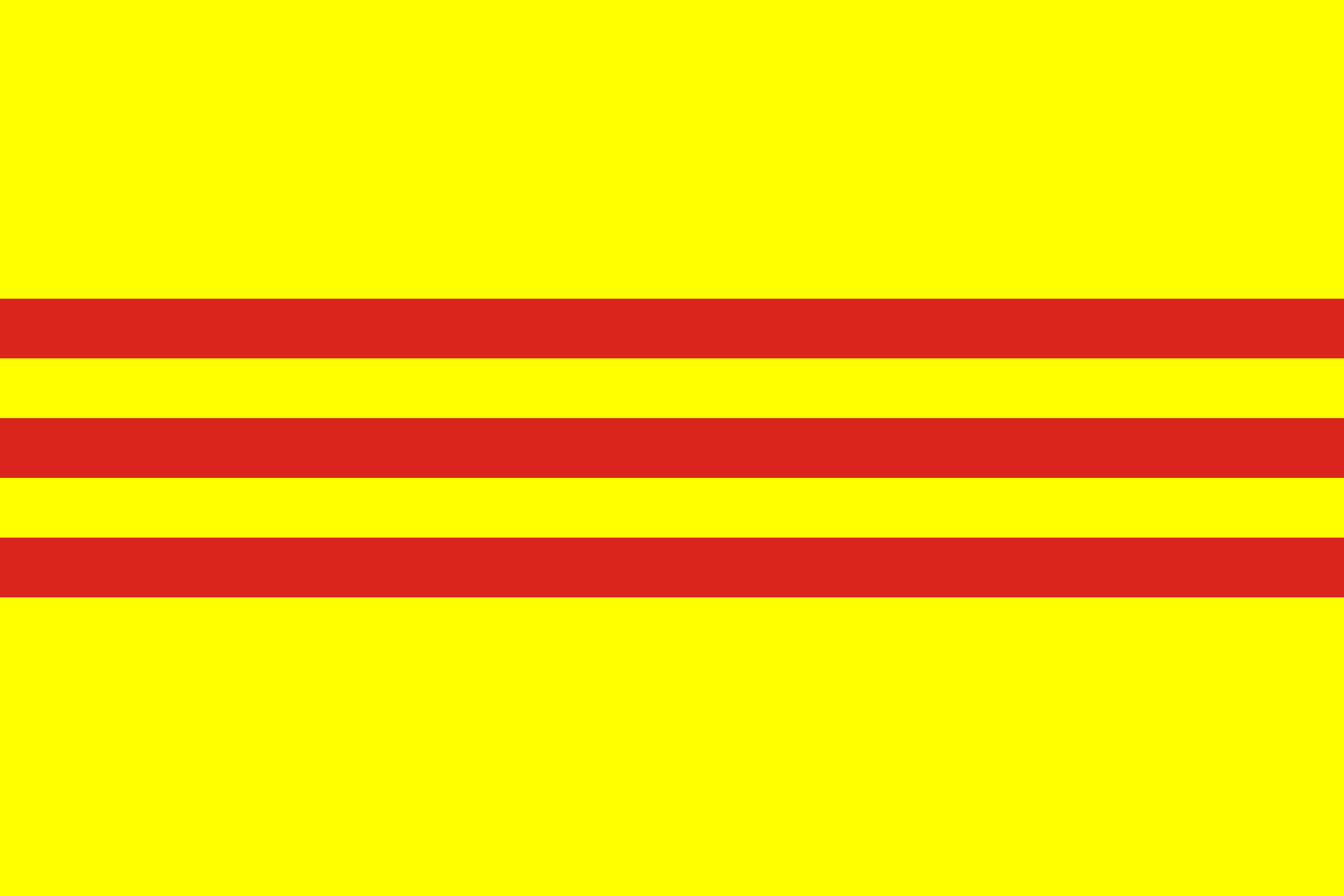
The Republic of Vietnam — South Vietnam — flew a yellow flag with three horizontal red stripes, said to represent the nation's heritage and the blood of its three regions. It ceased to exist in 1975 when the Vietnam War ended and the country was reunified under the North. The flag is no longer official anywhere, but it is still flown by many Vietnamese communities abroad — a reminder that a retired flag can keep a powerful hold on identity.
Why old flags still matter
Retired flags are far from irrelevant. They help explain the political history of a region — you can't understand the modern Balkans, or the fifteen post-Soviet states, without the flags they replaced. Many live on in museums, documentaries and historical reenactments, and some are quietly reborn: Russia's tricolour, the restored flags of the Baltic states, and the continuing Czech flag all began life before or during the era of a country that no longer exists. And a few, like South Vietnam's, remain deeply meaningful — and sometimes politically charged — to the people who once lived under them. The opposite process, where a new nation raises its first flag, is covered in flags that changed after independence.
Frequently asked questions
What happened to the Soviet Union flag?
It was retired in December 1991 when the USSR dissolved into 15 independent countries.
What countries did Yugoslavia become?
Slovenia, Croatia, Bosnia and Herzegovina, North Macedonia, Serbia and Montenegro — plus Kosovo, which later declared independence.
Does Czechoslovakia's flag still exist?
Yes, in effect — the Czech Republic kept the identical design after the 1993 split, so it still flies today as the flag of Czechia.
Why did the East German flag disappear?
German reunification in 1990 — the plain black-red-gold flag was adopted and the East German emblem retired.
What was the flag of the Ottoman Empire?
A red flag with a white crescent and star, which carried over almost unchanged as the flag of modern Turkey.