The Union Flag
How the crosses of England, Scotland and Ireland came together to create one of the world’s most recognisable flags.
England and Scotland before union
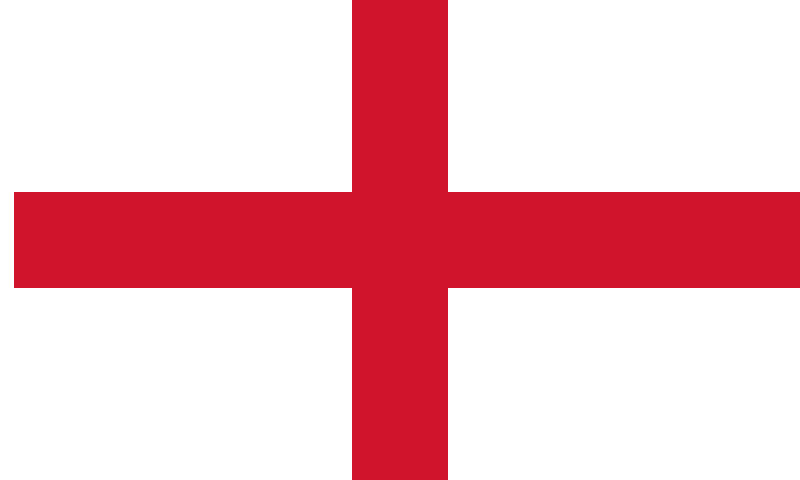
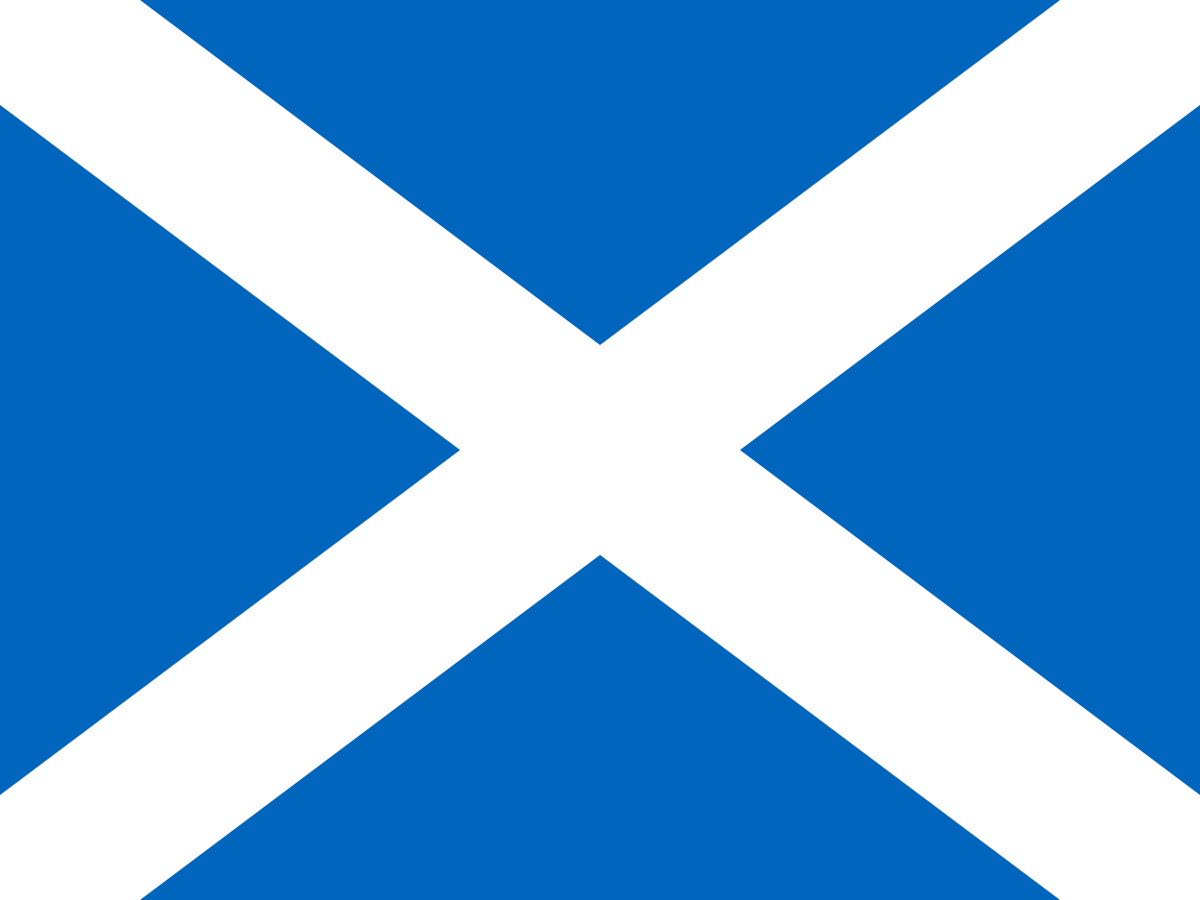
Before the Union Flag existed, England and Scotland had their own distinct national symbols. England was associated with the red Cross of St George, while Scotland used the white Saltire of St Andrew on a blue field.
These two crosses are still clearly visible in the modern Union Flag. Understanding the two earlier flags makes it easier to see how the design developed rather than treating the Union Flag as a single symbol created all at once.
1603 — the crowns are united
In 1603, James VI of Scotland became James I of England. This event is known as the Union of the Crowns. Although the same monarch now ruled both kingdoms, England and Scotland remained separate states with their own institutions and laws.
The new political situation created a practical need for symbols that could represent the relationship between the two kingdoms. The first Union Flag was one of the results of this new shared monarchy.
The first Union Flag
In 1606, a flag combining the crosses of St George and St Andrew was created. It is generally regarded as the first Union Flag.
The design placed the red Cross of St George over the white Saltire of St Andrew. It represented the union of the two crowns while still making the individual identities of England and Scotland visible within the new design.
This early Union Flag is an important stage in the history of the modern flag because the basic idea of combining national crosses has survived for more than four centuries.
Great Britain and the Union Flag
The relationship between England and Scotland changed again in 1707 when the Acts of Union created the Kingdom of Great Britain. England and Scotland became one kingdom with a single Parliament at Westminster.
The Union Flag created after the Union of the Crowns continued to be used as the flag representing the combined kingdom. Its design therefore became associated not only with a shared monarch, but with the political union of Great Britain itself.
1801 — Ireland joins the design
The next major change came after the Act of Union of 1800, which took effect in 1801. The Kingdom of Great Britain and the Kingdom of Ireland were united to form the United Kingdom of Great Britain and Ireland.
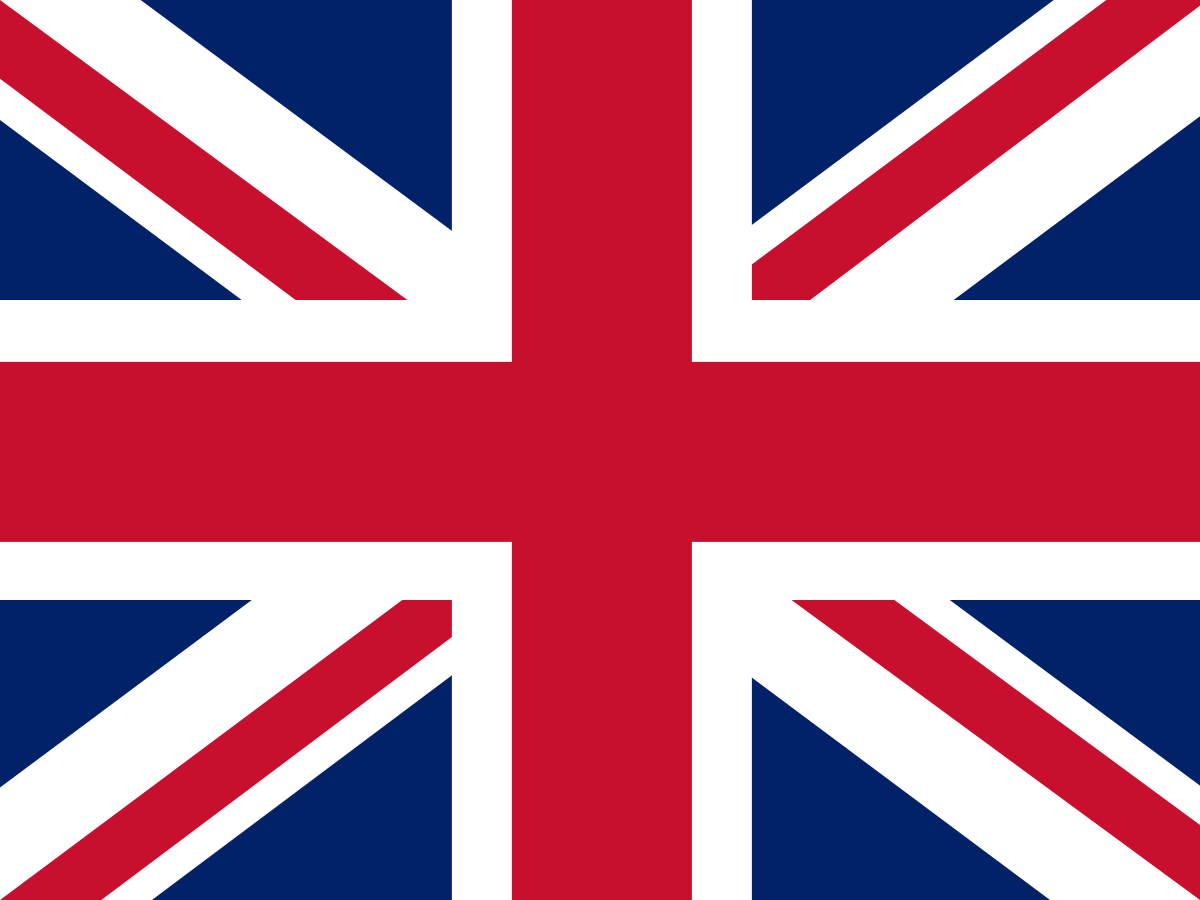
The flag was redesigned to represent this new union. A red Saltire associated with St Patrick was incorporated into the existing design, producing the basic pattern of the Union Flag that is familiar today.
The addition of the Irish element is why the modern flag contains three different crosses: St George's Cross, St Andrew's Saltire and the red Saltire associated with St Patrick.
The crosses within the flag
The modern Union Flag combines the crosses of three patron saints. The broad red upright cross represents St George and England. The white diagonal Saltire represents St Andrew and Scotland. The narrower red diagonal Saltire represents St Patrick and Ireland.
The design is more complicated than simply placing three crosses on top of one another. The different widths and positions of the elements create the distinctive counterchanged pattern that makes the Union Flag immediately recognisable.
Wales is not separately represented by a cross in the Union Flag. Wales had already been incorporated into the Kingdom of England before the later Union Flag designs were created, so the Welsh flag does not appear as a separate element.
Why the red diagonal cross looks uneven
One of the most interesting details of the Union Flag is that the red diagonal Saltire does not appear perfectly symmetrical. This is deliberate rather than a printing mistake.
The red Saltire associated with St Patrick is offset in relation to the white Saltire of St Andrew. This counterchanged arrangement helps preserve the visual distinction between the Scottish and Irish elements of the design.
It is also why there is a correct way to display the Union Flag. The diagonal red bands are not supposed to form a simple symmetrical X running evenly from corner to corner.
The Union Flag through history
The flag has changed as the political structure it represents has changed. The 1606 design brought England and Scotland together, while the 1801 design added the Irish element following the creation of the United Kingdom of Great Britain and Ireland.
Although the political history of the British Isles has continued to change, the 1801 design has remained recognisable. The establishment of the Irish Free State in 1922 changed the constitutional relationship between Britain and most of Ireland, but the Union Flag continued as the flag of the United Kingdom.
The Union Flag today
The Union Flag remains the national flag of the United Kingdom. It is used by government departments, the armed forces, public institutions, sporting organisations and individuals.
It is also one of the world's most recognisable flags and has influenced the designs of several other flags, particularly in countries and territories with historical connections to the British Empire.
Its continued use means that the flag is both a modern national symbol and a visual record of earlier political unions.
Union Flag timeline
England and Scotland had their own flags and national symbols, including the Cross of St George and the Saltire of St Andrew.
James VI of Scotland became James I of England. England and Scotland shared a monarch but remained separate kingdoms.
A new flag combined the Cross of St George with the Saltire of St Andrew to represent the union of the crowns.
The Acts of Union united England and Scotland politically as the Kingdom of Great Britain. The Union Flag continued to represent the combined kingdom.
The union with Ireland led to the addition of the red Saltire associated with St Patrick. This created the basic design of today's Union Flag.
Most of Ireland left the United Kingdom, while Northern Ireland remained part of it. The Union Flag continued as the flag of the United Kingdom.
The Union Flag remains the national flag of the United Kingdom and continues to combine the historic crosses associated with England, Scotland and Ireland.