Historical Flags
Flags of former states, empires and political systems — and what they tell us about the past.
Why historical flags matter
Flags change when countries change. Revolution, independence, union, partition and political collapse can all produce new designs.
The Soviet Union
The USSR used a red flag with the hammer, sickle and star for most of its existence. It dissolved in 1991 and its former republics adopted new or restored national flags.
Yugoslavia
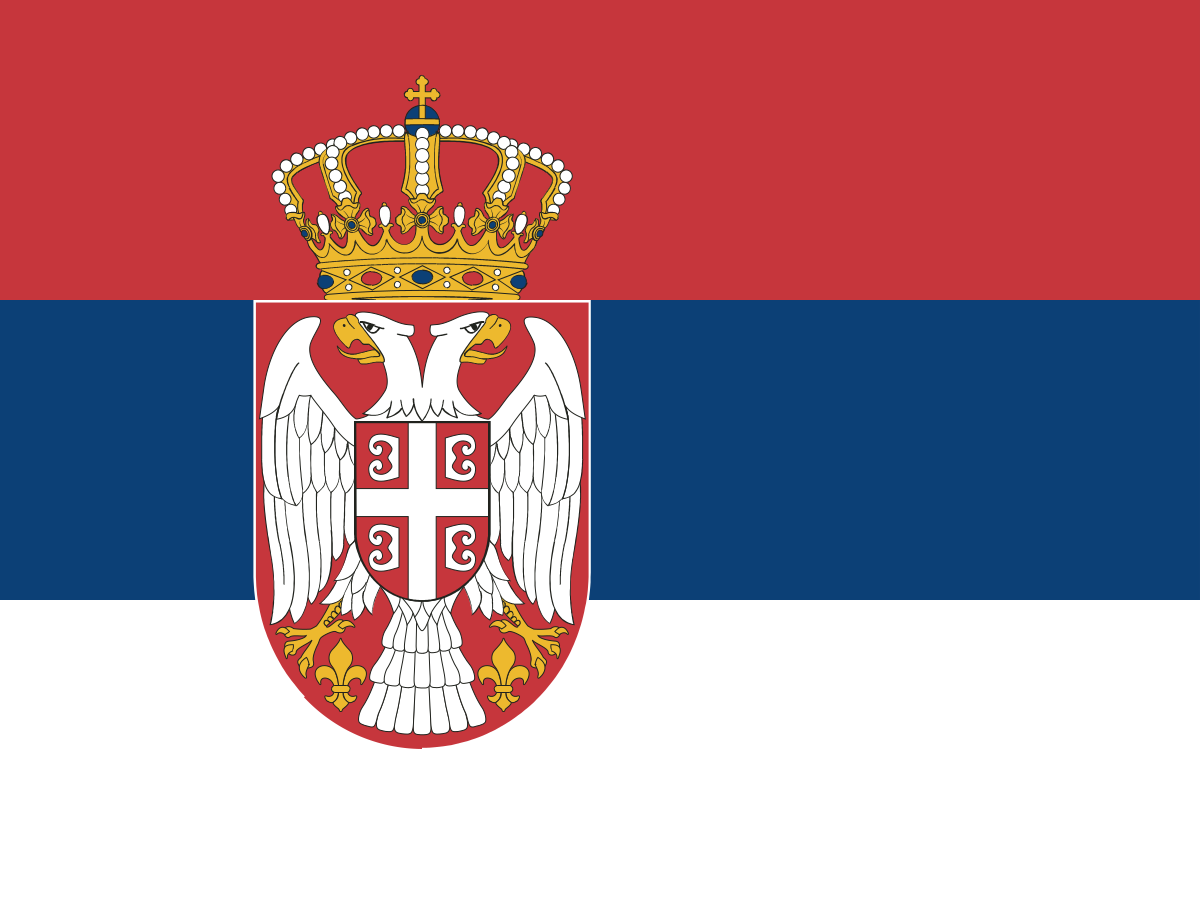
Yugoslavia used a blue, white and red tricolour, with a red star during the socialist period. Its successor states adopted different national flags.
Czechoslovakia
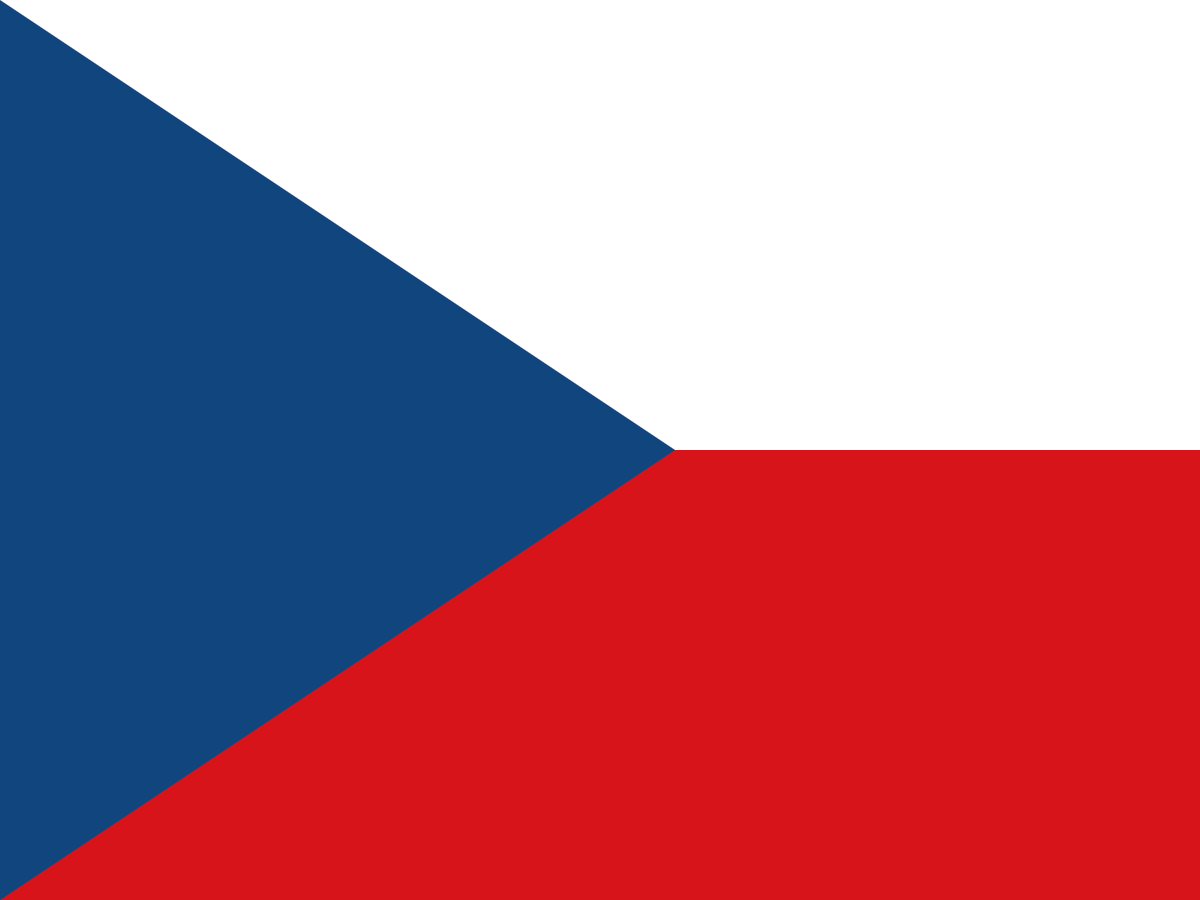
Czechoslovakia used a white-and-red bicolour with a blue triangle. After its dissolution in 1993, the Czech Republic retained the historic design while Slovakia adopted another flag.
East Germany
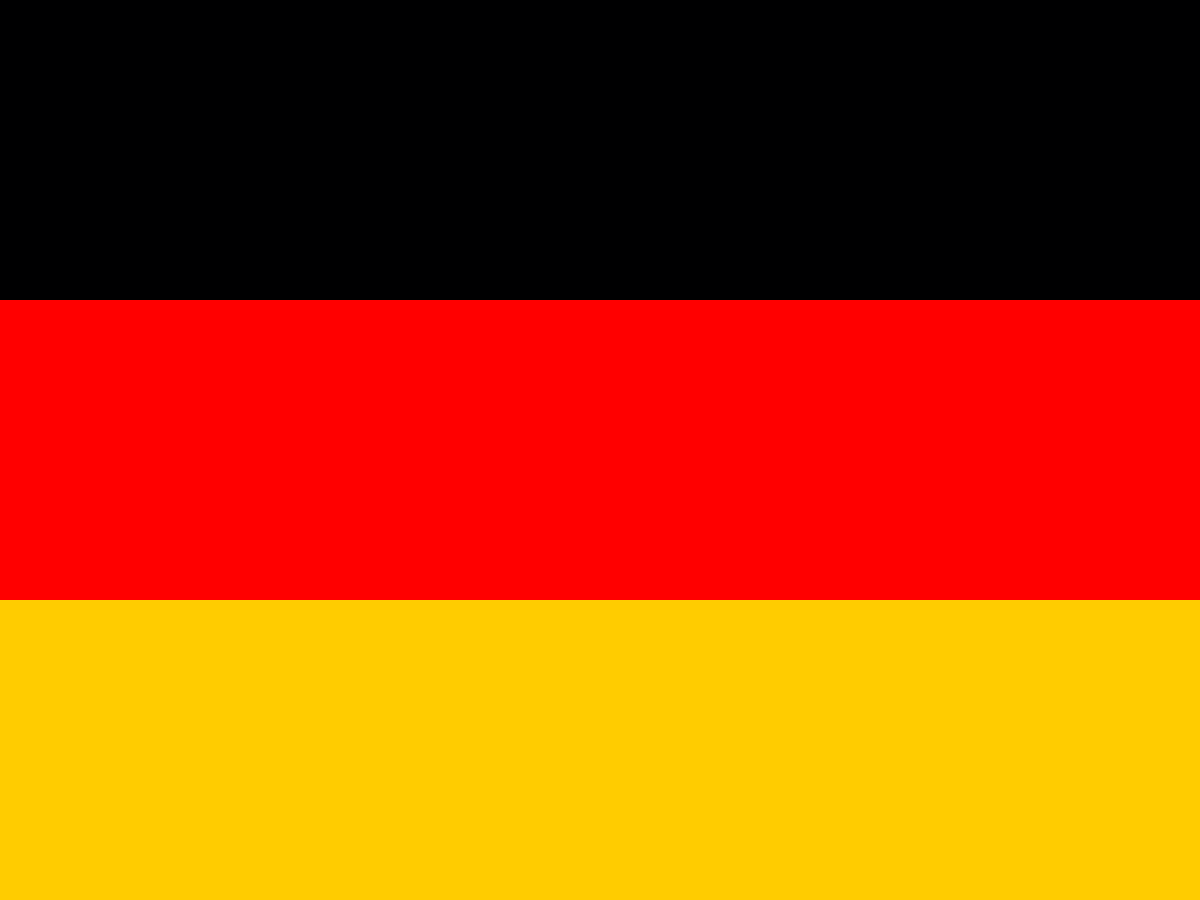
The German Democratic Republic used black, red and gold with its state emblem from 1959 until German reunification in 1990.
Colonial flags
European empires used numerous flags for colonial territories and administrations. These should be understood in their historical context.
When a country changes its flag
Changes can follow independence, revolution, regime change, territorial reorganisation or the revival of an older national identity.
A visual history of the world
Comparing old and new flags reveals the collapse of empires, political change and the emergence of modern states.