Independence Flags
How flags became powerful symbols of independence, revolution and the creation of new nations.
Why independence movements need flags
When a people or political movement seeks independence, a flag can become one of the clearest ways to show that a new national identity is emerging. It can bring together people who may previously have identified with a colony, empire, kingdom or larger political state.
Flags are especially powerful because they are simple enough to recognise from a distance. They can appear at demonstrations, meetings, military camps, public buildings and celebrations, turning an idea about political independence into something visible.
The American Revolution
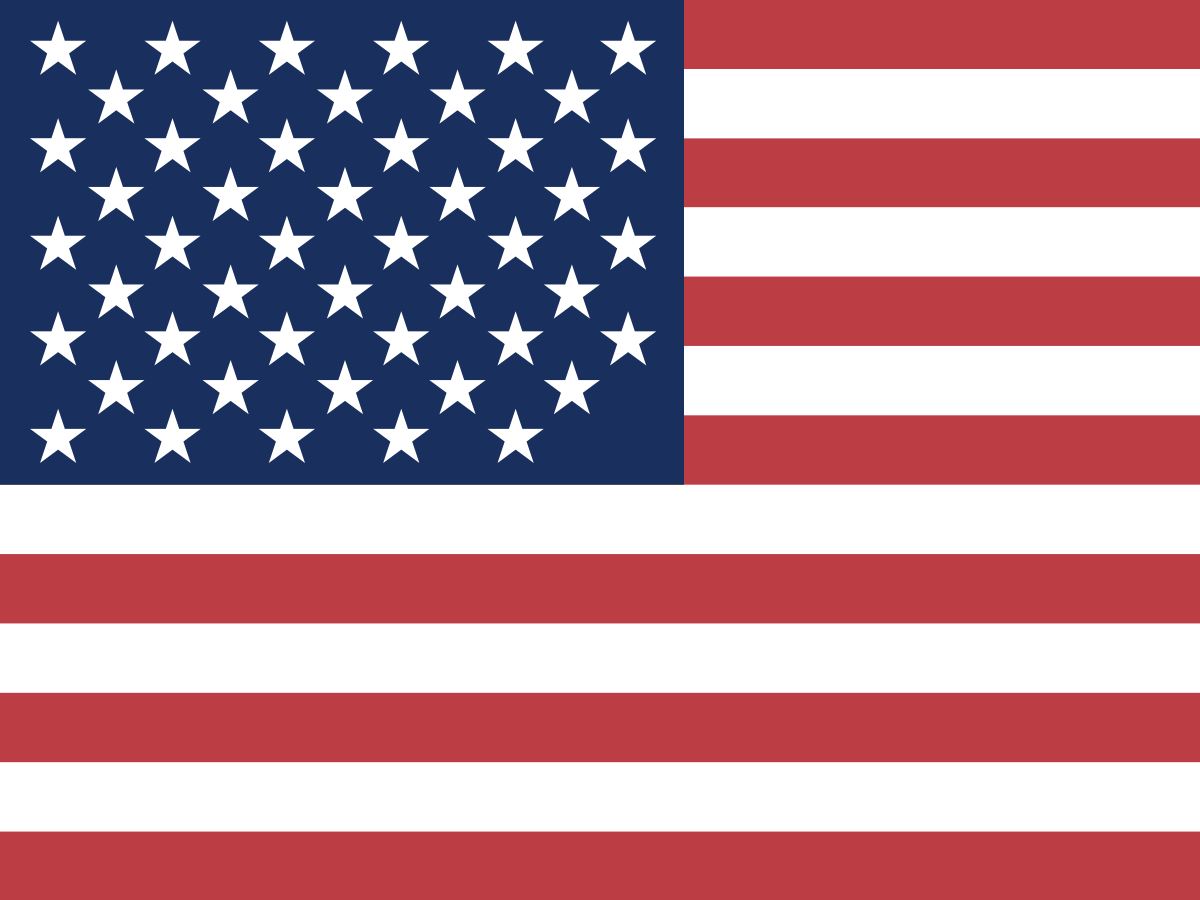
The American Revolution provides one of the best-known examples of flags developing alongside an independence movement. The thirteen colonies used a variety of flags during the struggle against British rule before the United States adopted the first Stars and Stripes in 1777.
The American flag eventually became a symbol not just of the revolutionary movement, but of the new country created after independence. Its thirteen stripes still refer to the original colonies, while the stars later changed as new states joined the Union.
Latin American independence
During the nineteenth century, independence movements across Latin America created a large number of new national flags. Countries breaking away from Spanish and Portuguese rule needed symbols that could distinguish their new states from the colonial powers.
These flags often drew on colours and designs associated with the independence movements themselves. In many cases, the flag that emerged from the struggle became the permanent national symbol of the new country.
The period shows how quickly flags can become connected with ideas such as independence, sovereignty and national unity.
The French Revolution as an influence
The French Revolution demonstrated how a flag could represent a political nation rather than simply a monarch or ruling dynasty. The French Tricolour became associated with the revolutionary transformation of France and introduced a powerful model for later political movements.
The idea that a relatively simple combination of colours could represent citizenship, political change and national identity influenced flag design far beyond France.
This helps explain why the history of independence flags is closely connected with the wider history of revolutions and modern nationalism.
African independence flags
The twentieth-century decolonisation of Africa produced a remarkable generation of new national flags. As European colonial rule came to an end, newly independent countries needed symbols that reflected their own identities rather than those of the colonial powers.
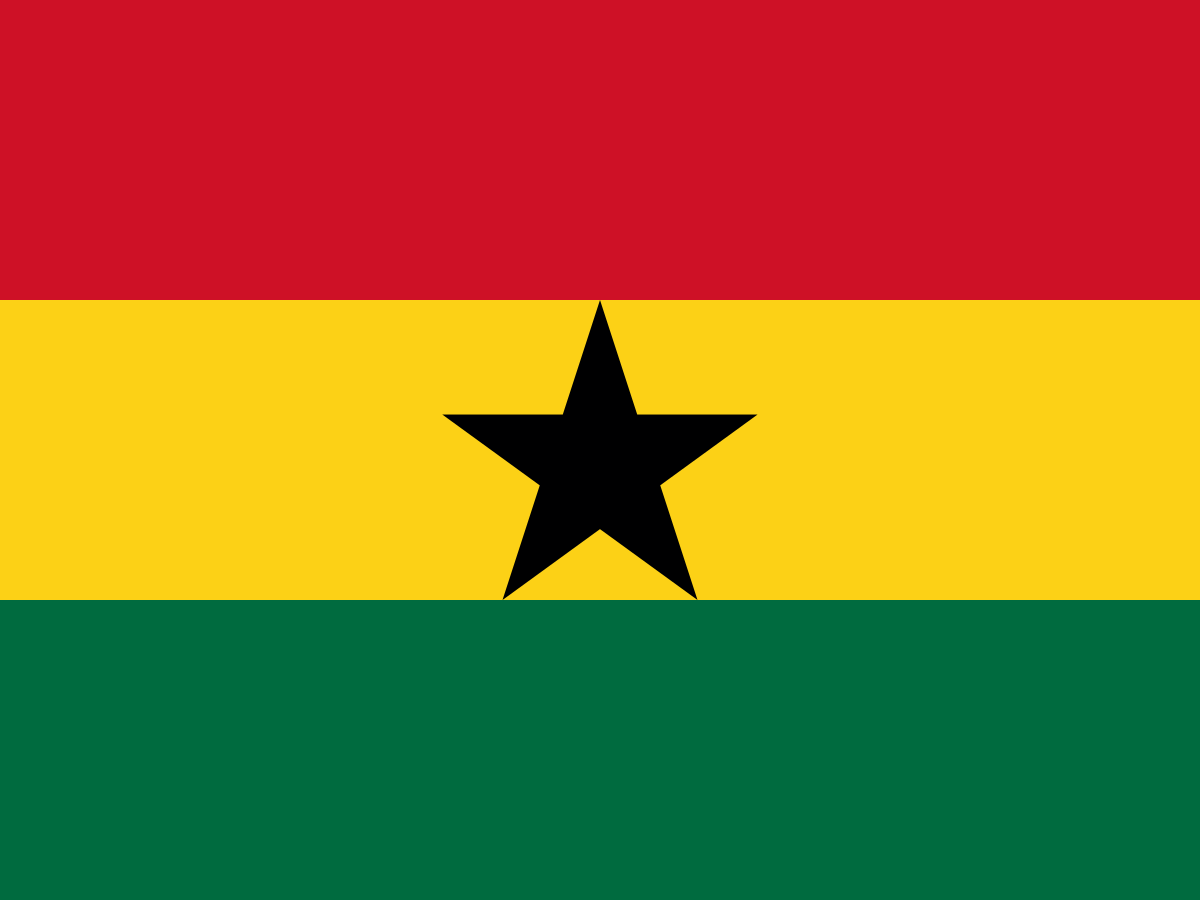
Green, yellow and red became particularly influential colours across Africa. Their use is strongly associated with African independence and Pan-African ideas, although individual countries gave their flags their own meanings and historical context.
Ghana is an especially important example. When Ghana became independent from British colonial rule in 1957, its new flag helped establish a visual identity for the first sub-Saharan African colony to achieve independence in the post-war period.
Asian independence movements
Independence movements in Asia also produced some of the world's most recognisable national flags. Countries emerging from European colonial rule often combined traditional colours and symbols with new ideas about national unity and self-government.
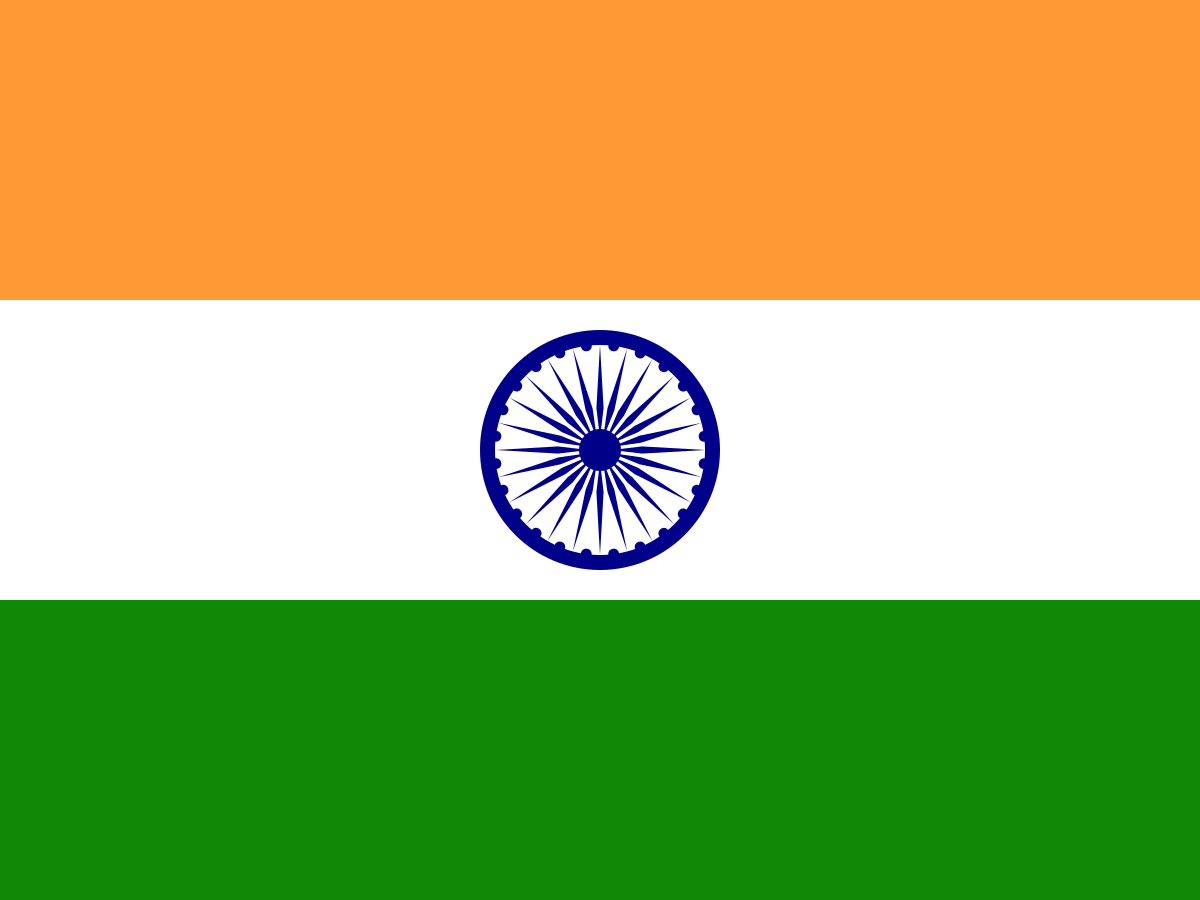
India is a particularly important example. The Indian national flag emerged from the independence movement and was adopted shortly before independence from British rule in 1947. Its saffron, white and green bands, together with the Ashoka Chakra, created a distinctive national symbol for the new republic.
Other Asian independence movements, including those in Indonesia, Pakistan and Vietnam, developed their own flags to express different political, cultural and historical traditions.
Flags and decolonisation
For many countries, independence was accompanied by the adoption of a new national flag. This could be an important symbolic break with colonial rule, particularly when the previous flag had represented a European empire.
In some cases an existing independence movement flag simply became the national flag. In others, a new design was created to represent the country's history, geography, culture or political ideals.
As dozens of countries became independent during the twentieth century, the world's flag map changed dramatically.
What independence flags have in common
There is no single design that defines an independence flag. Some use revolutionary colours, some feature historic symbols, and others deliberately avoid the visual language of the former colonial power.
What they share is their connection with the idea of self-determination. A flag can represent the moment when a movement stops asking for change within an existing system and begins to claim a separate national identity.
A flag can outlive the movement
Once independence has been achieved, the flag often survives long after the political movement that created it. A banner that began as a symbol of protest or revolution can become the everyday national flag flown by government institutions, schools, businesses and families.
This gives independence flags a dual role. They preserve memories of the struggle that created a country while also becoming symbols of the modern state.
Independence Flags Timeline
The thirteen American colonies declared independence from Britain. Revolutionary flags developed during the conflict, leading to the first official Stars and Stripes in 1777.
The Continental Congress adopted the first official United States flag, with thirteen stars and thirteen stripes representing the original colonies.
The French Revolution helped establish the Tricolour as a powerful symbol of political change and the idea of the nation.
Independence movements across Latin America produced new national symbols as countries broke away from Spanish and Portuguese rule.
India became independent from British rule and adopted its national flag, featuring saffron, white and green with the Ashoka Chakra.
Ghana became independent and adopted a flag using red, yellow and green with a black star, helping establish a visual language associated with African independence.
A large number of African countries gained independence, creating a new generation of national flags and strengthening the influence of Pan-African colours.
Independence flags continue to serve as symbols of sovereignty, national identity and the history of the movements that created modern states.