Pan-African Colours
How red, gold and green became powerful symbols of African identity, independence and solidarity.
What are the Pan-African colours?
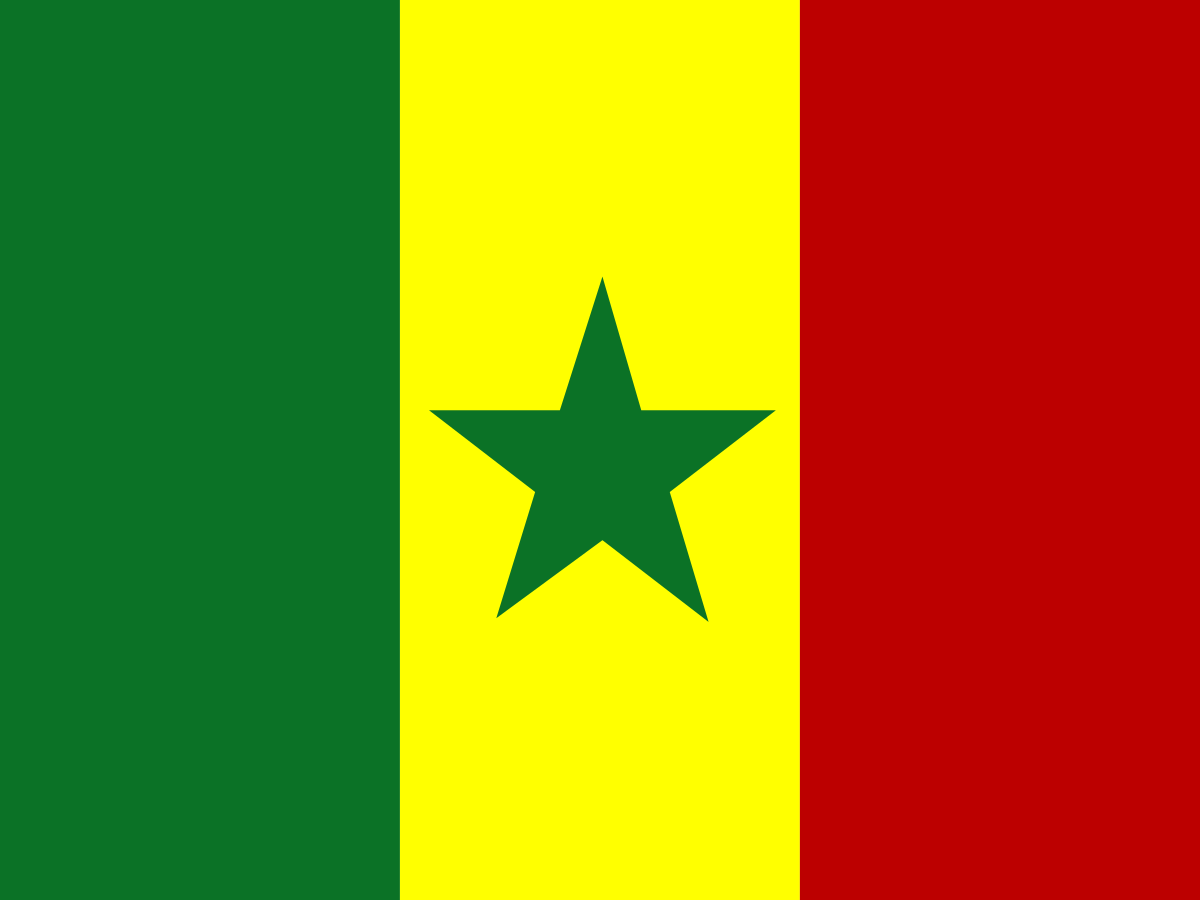
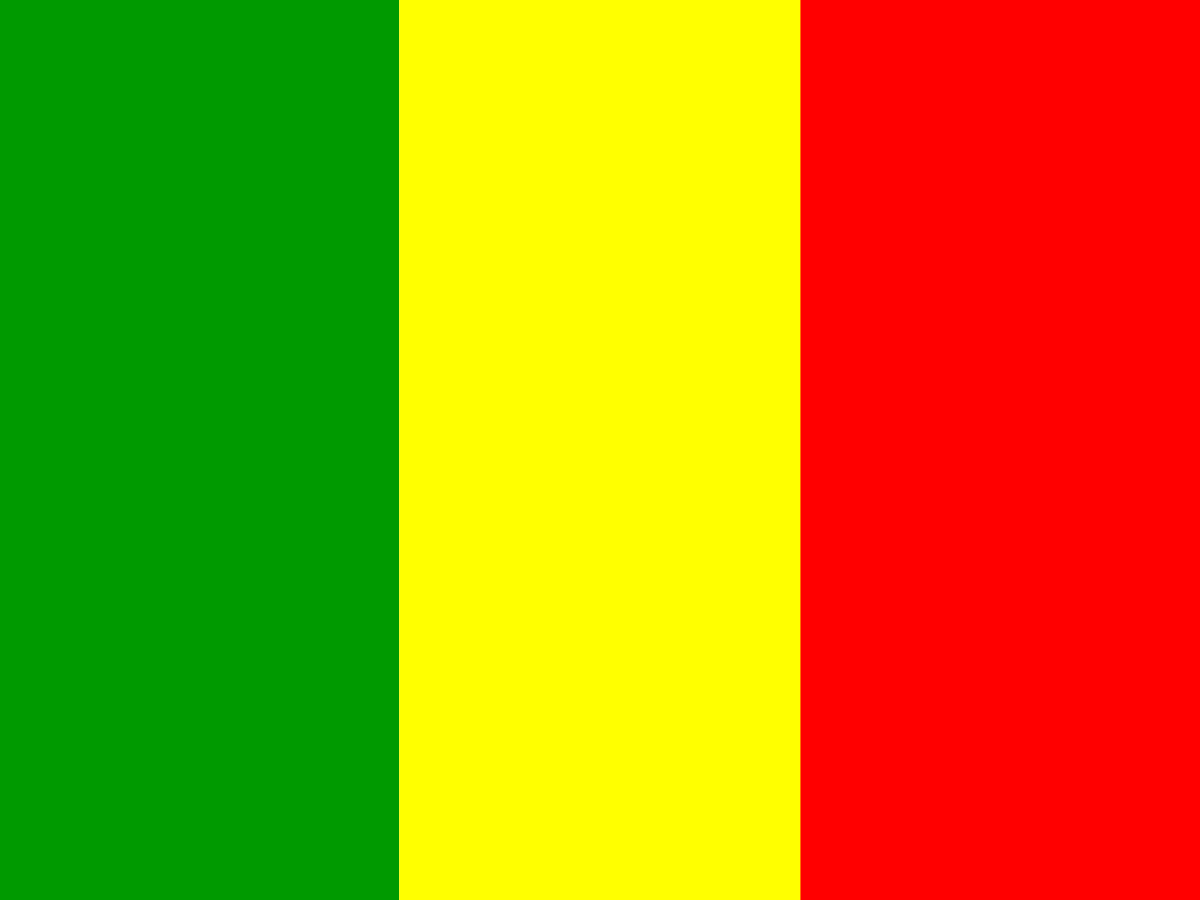
The colours most commonly described as Pan-African are red, gold or yellow, and green. They appear on a wide range of African national flags and have become closely associated with African identity, independence and solidarity.
There is not one single Pan-African flag design used by every country. Instead, the colours have been adopted and interpreted in different ways. Some flags use all three colours, while others use only one or two alongside additional colours and national symbols.
The popularity of these colours grew particularly during the period of African independence in the twentieth century. Newly independent countries wanted national symbols that reflected their own identity and their rejection of colonial rule.
Ethiopia’s influence
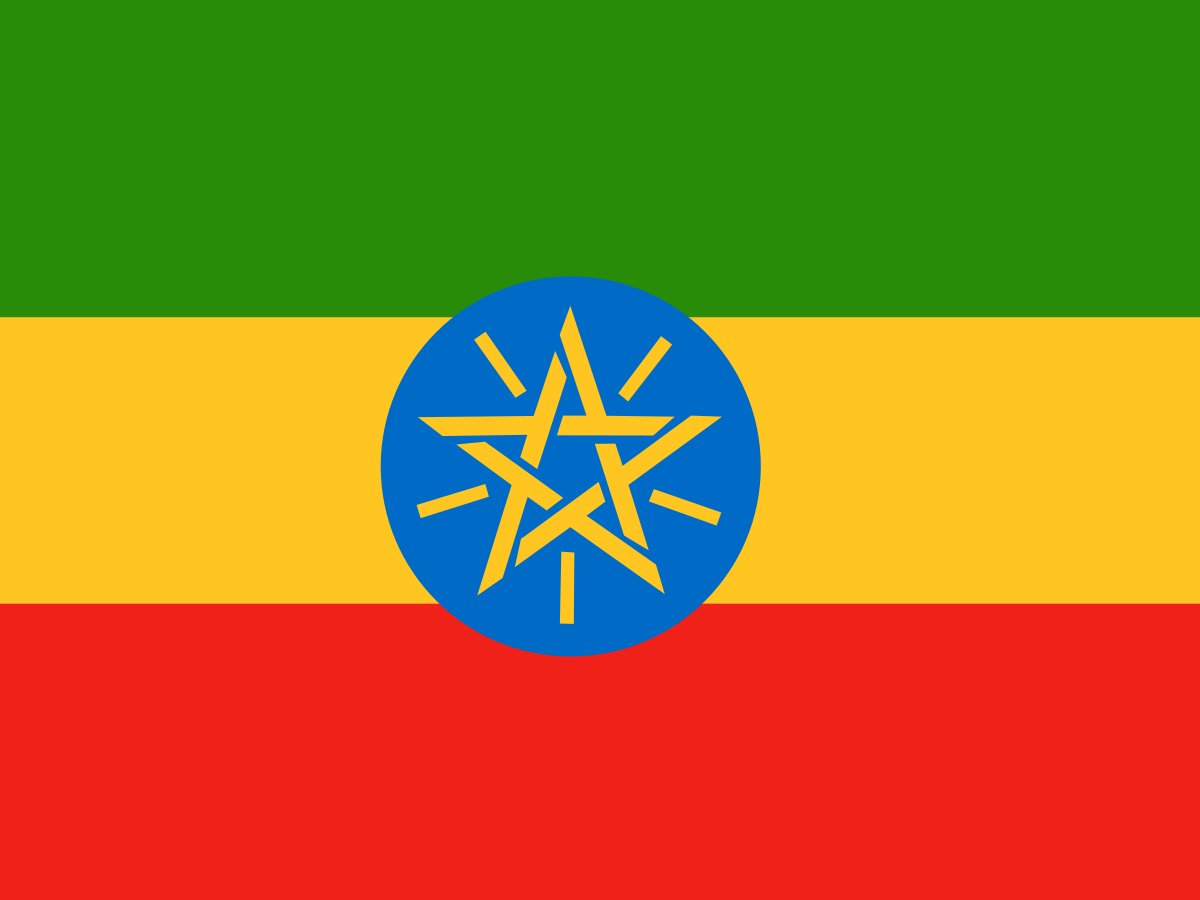
Ethiopia became an especially important symbol because it remained independent during the main period of European colonial expansion in Africa, apart from the Italian occupation of 1936–1941.
Its independence gave Ethiopia a special place in the imagination of African and Pan-African movements. The Ethiopian flag's green, yellow and red colours became particularly influential and were adopted or adapted by several other African countries as they gained independence.
This influence is one reason Ethiopia is so important when studying the history of Pan-African colours. The colours did not simply become popular because they looked similar; they became associated with African self-determination and the hope of political independence.
The African independence era
The period of African independence after the Second World War transformed the continent's political map. As European colonial rule came to an end, newly independent countries needed flags that expressed their own national identities.
Red, gold and green were especially attractive because they were already associated with African independence and solidarity. They offered a visual alternative to the flags and symbols of the European colonial powers.
Ghana's independence in 1957 was particularly influential. Its flag helped establish a powerful example for other African independence movements and demonstrated how national flag design could be connected with the wider idea of African liberation.
Ghana and Pan-African symbolism
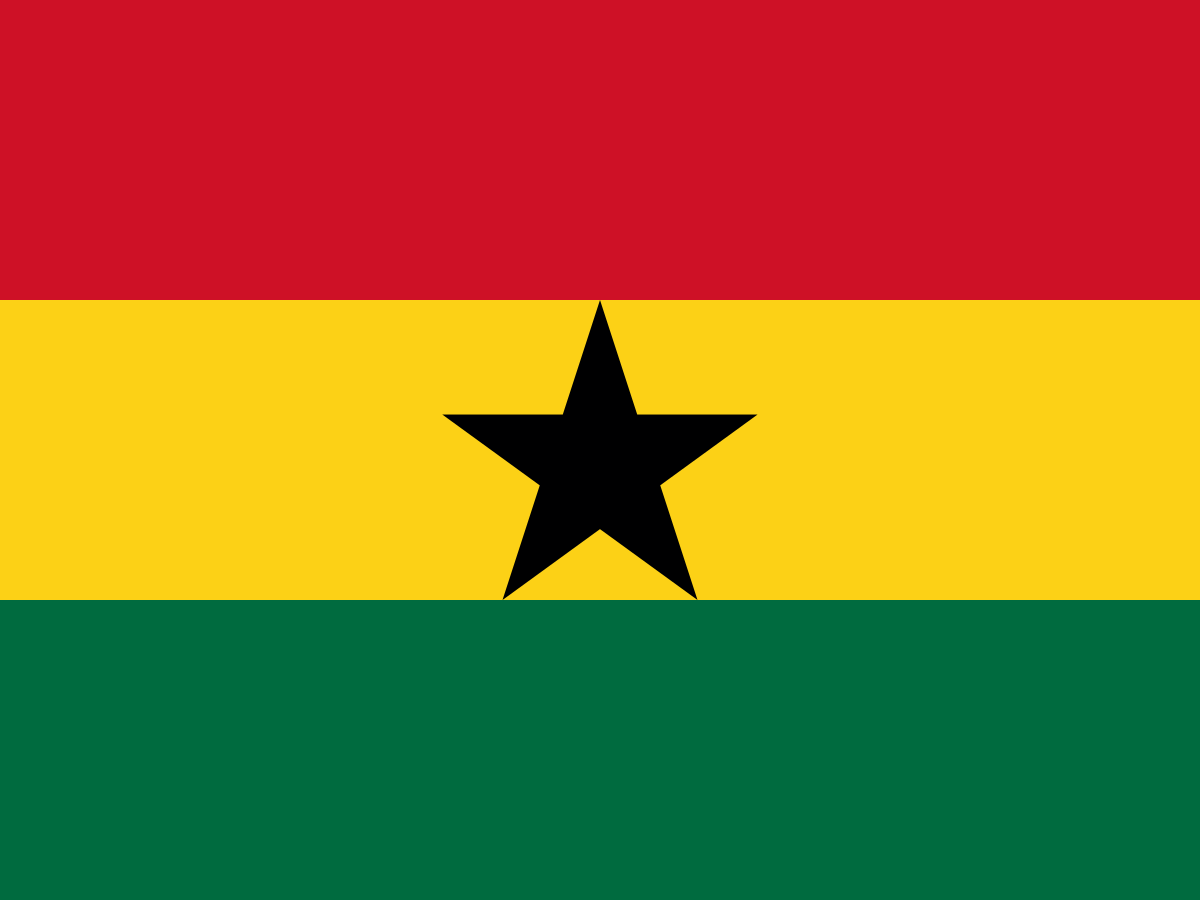
Ghana became independent from British colonial rule on 6 March 1957. Its national flag uses red, yellow and green horizontal bands with a black five-pointed star in the centre.
The black star became a powerful symbol of African freedom and unity. Ghana's independence was also historically significant because it was the first sub-Saharan African colony to achieve independence in the post-war period.
The Ghanaian flag therefore became more than a national symbol. It was widely seen as representing the wider movement towards African independence, helping to reinforce the importance of red, gold and green in the flags of newly independent states.
What do the colours mean?
There is no single official meaning that applies to red, gold and green on every African flag. Individual countries have given the colours their own meanings based on their history, landscape, resources and political traditions.
In general, red is often associated with sacrifice, struggle or the blood shed during the fight for independence. Gold or yellow is frequently connected with wealth, natural resources, sunlight or prosperity. Green is commonly associated with the land, agriculture, forests or the hope of a country's future.
These interpretations should therefore be treated as general themes rather than a universal definition. The same colour can mean something slightly different from one national flag to another.
Marcus Garvey and the UNIA
Pan-African colour symbolism has more than one historical tradition. Marcus Garvey's Universal Negro Improvement Association (UNIA) used red, black and green, creating an important colour combination associated with Black identity and international African solidarity.
This is related to the wider Pan-African movement but should not be confused with the red, gold and green combination found on many African national flags.
The distinction is useful because the term "Pan-African colours" can sometimes refer to different traditions depending on the historical or cultural context in which it is being used.
Why so many African flags look similar
Shared colours reflect common historical experiences and the influence of independence movements. When one newly independent country adopted a particular combination, it could provide inspiration for another country preparing to become independent.
However, similar colours do not mean that the countries have identical histories. Each state has used different combinations, patterns and symbols to create a distinctive national flag.
Looking at these similarities and differences is one of the most interesting ways to study African flag history. The colours can show connections between countries, while the individual designs tell their own national stories.
The African Union
The African Union represents a later stage in the story of African unity. Its flag uses green prominently and features a map of the African continent surrounded by stars.
The design reflects the idea of continental cooperation and unity rather than the independence of one individual country. It is therefore another example of how colours and symbols can be used to express political ideas that extend beyond national borders.
The African Union's symbolism connects with the broader history of Pan-Africanism, while its design is distinct from the individual national flags that use red, gold and green.
Pan-African colours today
Red, gold and green remain highly recognisable symbols associated with Africa and African identity. They continue to appear in national celebrations, cultural events, sport, art and discussions about African history and heritage.
The colours can also be seen outside official national flags. They are sometimes used in clothing, artwork, community events and educational materials to express a connection with African history or Pan-African ideas.
Their continuing use shows how a colour combination that became particularly powerful during the age of independence can remain meaningful long after the original political movements have ended.
Pan-African Colours Timeline
Political and cultural movements increasingly promoted ideas of African unity, self-determination and solidarity among people of African descent.
Ethiopia's resistance to European colonialism and its status as an independent African state gave it particular importance to Pan-African thinkers and independence movements.
Ghana adopted its red, yellow and green flag with a black star. Its independence and flag became important symbols for the wider African independence movement.
Many African countries gained independence, and red, gold and green appeared in numerous new national flags. The colours became strongly associated with African self-government.
The creation of the Organisation of African Unity strengthened the idea of cooperation and solidarity between independent African states.
The African Union replaced the Organisation of African Unity and continued the wider goal of cooperation and unity across the continent.
Pan-African colours remain visible in national flags, cultural movements, celebrations and discussions of African identity and heritage.